06
2022
-
06
Some Knowledge Points About Dental Chairs 1. **Definition**: A dental chair is a specialized chair designed for patients undergoing dental procedures. It is equipped with various features to ensure comfort and accessibility for both the patient and the dentist. 2. **Adjustability**: Most dental chairs are adjustable in height and position, allowing the dentist to work comfortably and efficiently. The chair can recline to provide the best angle for treatment. 3. **Comfort Features**: Dental chairs often come with padded seats and backrests to enhance patient comfort during long procedures. Some models also include headrests and armrests. 4. **Integrated Technology**: Many modern dental chairs are equipped with built-in technology, such as LED lights, suction systems, and monitors for displaying X-rays or other images. 5. **Material**: The materials used in dental chairs are typically easy to clean and disinfect, as hygiene is crucial in dental practices. Common materials include vinyl and leatherette. 6. **Ergonomics**: Ergonomically designed dental chairs help reduce strain on the dentist's back and neck, promoting better posture during procedures. 7. **Types of Dental Chairs**: There are various types of dental chairs, including general dental chairs, surgical chairs, and pediatric chairs, each designed for specific types of dental work. 8. **Maintenance**: Regular maintenance is essential to ensure the longevity and functionality of dental chairs. This includes checking hydraulic systems, upholstery, and electronic components.
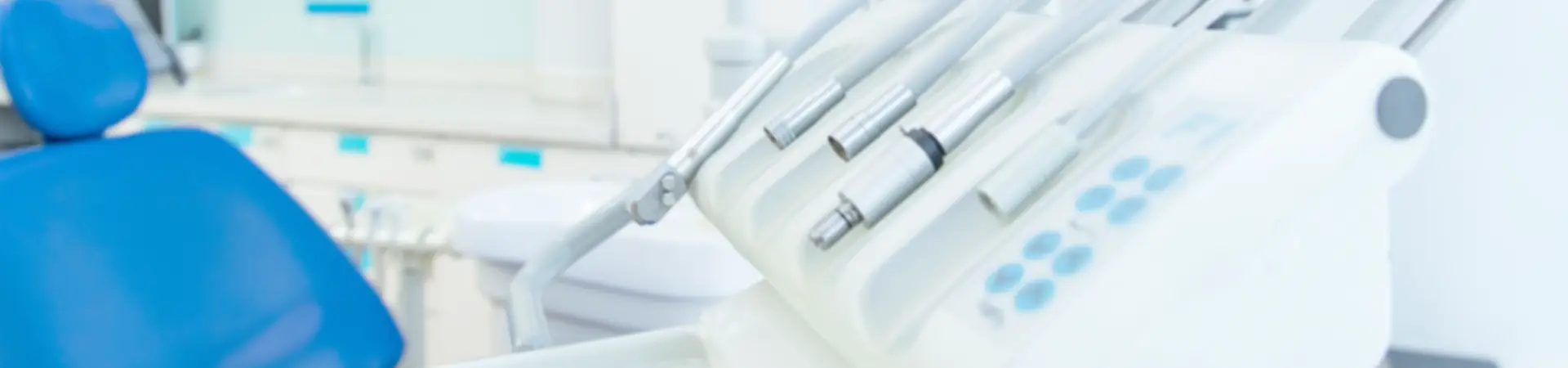
Dental chairs are primarily used for the examination and treatment of oral surgery and dental diseases. Currently, the most commonly used type is the electric dental chair, which is composed of eight main parts. The base of the entire unit is fixed to the ground, and the base is connected to the upper part of the dental chair via a support frame. The movements of the dental chair are controlled by a switch on the backrest. Its working principle involves the control switch activating the motor, which drives the transmission mechanism to move the corresponding components of the dental chair. Depending on the treatment needs, the dental chair can perform actions such as rising, descending, tilting, reclining, and resetting by manipulating the switch buttons.
Dental chairs are mainly used for the examination and treatment of oral surgery and oral diseases. Currently, the most commonly used are electric dental chairs, which are divided into eight main parts. The base of the machine is fixed to the ground, and the base is connected to the upper part of the dental chair through a bracket. The movements of the dental chair are controlled by a switch on the backrest, and its working principle is to control the switch to start the motor, which drives the transmission mechanism to move the corresponding parts of the dental chair. According to the needs of treatment, the dental chair can perform actions such as rising, descending, tilting, leaning, and resetting by manipulating the switch buttons.
In the traditional sense,dental chairsgenerally refer to simple dental treatment machines priced under ten thousand yuan, commonly found in resource-limited towns and individual clinics. These chairs usually do not have seats for doctors and assistants, and some even lack spit bowls, which are"dental chairs." Although these chairs are simple, they can meet the general needs of dental treatment. In the vast rural and urban communities of our country, there is still a considerable market for dental chairs in individual dental clinics. According to surveys, they account for199980% of the annual total sales,despite a decline in this survey, they still account for about72% of the total demand.72%"People-oriented"
design is a design concept that has emerged in recent years, aiming for convenience, safety, and hygiene. In terms of convenience and safety, chairs generally have various personalized operating procedures. According to the doctor's personal habits, differentdental chairstreatmentpositionscan be set and stored programmatically. Thecontrolof the chair has evolved from the initial mechanical and electrical control to pneumatic valves, solenoid valvesof the chair has evolved from the initial mechanical and electrical control to pneumatic valvesand other stages; more expensive chairs usually come with fully automatic control consoles, equipped with non-slip doctor chairs and multifunctional foot control devices, allowing adjustments to the chair's position through the movement of the backrest and knee joints, rising, descending, and tilting to make the patient's position more suitable for treatment. Doctors can use their feet during treatment to switch the water and air guns without stopping the operation of the equipment. The treatment table is also equipped with various steering electroluminescent devices and powerful low-noise vacuum pumps, enabling gas-liquid separation with strong suction and low noise.of the chair has evolved from the initial mechanical and electrical control to pneumatic valvesModernof the chair has evolved from the initial mechanical and electrical control to pneumatic valvesdental chairs have basically met the diagnostic and treatment needs of the vast majority of doctors and patients in terms of appearance structure and technical functions. Aside from differences in design details and product positioning, all manufacturers seem to have reached a common level in design, and new products are becoming more mature and conservative.of the chair has evolved from the initial mechanical and electrical control to pneumatic valves,在不停止设备运行的情况下实现水枪和气枪的开关动作。治疗台还配备了多种转向电致发光和强大的低音真空负压泵,可实现气液分离,吸力大、噪音低。
现代dental chairs在外观结构和技术功能上已经基本满足了绝大多数医生和患者的诊疗需求,除了设计细节和产品定位的差异,所有厂商在设计上似乎都达到了一个共同的水平,新品也越来越成熟,越来越保守。
Keywords: children dental chair series

WeChat Public Number
Hotline
Business docking E-mail
Company Address
Floor 1 and Floor 2, Block A4, Guangdong New Light Source Industry Base, Luo Village, Shishan Town, Nanhai District, Foshan City